


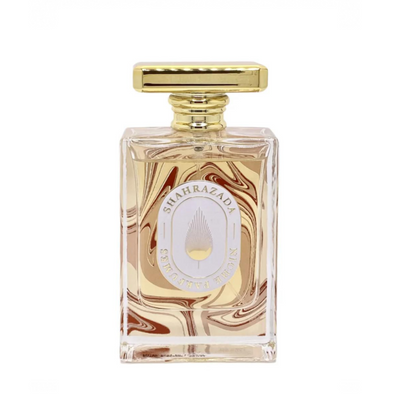
Scent = Rebellion? Luxury Niche Perfumes and Feminism
Have you ever considered that your favorite perfume might be more than just a beauty product? Like clothing and accessories, fragrance can reflect our personality, values, and even our political views. Today, more and more women are choosing luxury niche perfumes—exclusive, often handcrafted fragrances that allow them to stand out from the crowd and emphasize their individuality. But can such perfumes be considered feminist? Can a scent carry social or political meaning?
Lessons from History: From Restriction to Freedom
The history of perfume is closely intertwined with the history of women. For a long time, certain fragrances were strictly associated with femininity—typically sweet, floral, and powdery scents designed to emphasize softness, delicacy, and compliance. Stronger, sharper notes such as woods and leather were traditionally considered masculine.
However, as women's roles in society evolved throughout the 20th century, perceptions of women's fragrances changed as well. The Flapper era of the 1920s introduced bolder and more distinctive scents that reflected women's desire to challenge conventions and gain greater freedom and independence.
Niche Perfumery: A Rebellion Against Stereotypes
Today, luxury niche perfumes for women often represent a form of rebellion against traditional fragrance stereotypes. Niche perfumers do not create fragrances for mass appeal; instead, they develop unique, bold, and sometimes provocative compositions that challenge the conventional division between feminine and masculine scents.
This gives women greater freedom of choice—they can wear fragrances not because they are expected to, but because they genuinely reflect who they are.
Does a Strong Fragrance Equal a Feminist Fragrance?
Not necessarily.
Feminism is not simply about incorporating traditionally masculine notes into women's perfumes. It is about freedom of choice. It is the freedom to wear the fragrance you love, rather than the fragrance society expects you to wear.
That fragrance may be a delicate floral bouquet, a rich oriental composition, or even a fresh citrus scent. What matters most is that it reflects a woman's authentic self.
Luxury and Feminism: Can They Coexist?
Can luxury, often represented by niche perfumes, be compatible with feminist values that emphasize equality and social justice? The answer is not entirely straightforward.
On one hand, luxury fragrances may be viewed as symbols of consumerism and social inequality. On the other hand, luxury niche perfumes for women can be seen as an investment in oneself—a way to express individuality, confidence, and personal identity.
Furthermore, many niche fragrance houses have been founded and are led by women, which can itself be considered a form of feminist expression.
The Contribution of Female Perfumers
It is also important to recognize the impact of female perfumers on the world of niche perfumery. Creators such as Olivia Giacobetti, Patricia de Nicolaï, Lyn Harris, Mona di Orio, and many others have consistently challenged conventions, experimented with unconventional ingredients, and created fragrances that reflect the complexity and diversity of the modern woman.
Examples of Luxury Niche Perfumes for Women
It is difficult to definitively label specific niche perfumes for women as feminist, as the concept is highly subjective. However, some fragrances may be perceived this way because of their concept, scent profile, or brand philosophy:
- Perfumes featuring strong woody, leather, or spicy notes that have traditionally been associated with masculinity.
- Unisex fragrances that blur the boundaries between genders.
- Perfumes inspired by strong and independent women.
- Fragrance houses founded by women.
- Perfumes created and developed with significant involvement from female perfumers and creators.
Final Thoughts
So, can fragrances be feminist?
There is no simple answer. However, luxury niche perfumes for women, by offering freedom of choice, encouraging experimentation, and allowing for self-expression, can certainly be viewed as a tool that helps women challenge stereotypes and create their own unique identities.
Ultimately, feminism is about the freedom to be yourself—and fragrance is one of the many ways to express that freedom.